Thursday, April 11, 2013

Fortune Rice Bran Oil – Product Review
Posted by Kavitha | Foodomania on February 27th, 2013

Oil is an important part of food. Every cuisine calls for the use of some or the other kind of oil because “fat” is essential to keep our body working. With the increase in the number of lifestyle related diseases, it has become so important for us to review our food and lifestyle habits regularly and see what little changes we can make for us to have a better life. In a time where it is important for us to make such conscious decisions about the products we consume, Fortune has recently launched its new product “Fortune Refined 100% Rice Bran Oil” that comes with a hoard of good features!
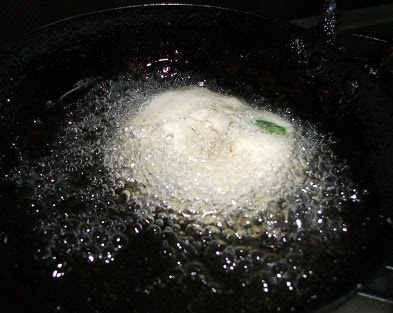
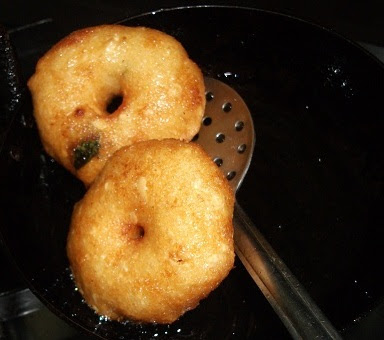
Rice bran oil is the oil extracted from the germ and inner husk of rice. It has a high smoke point of 213°C (415°F) and has a mild flavor, making it suitable for high-temperature cooking methods like stir frying and deep frying. In fact, switching over from groundnut oil to Rice bran oil was as easily as switching perfumes!
Here are some of the amazing health benefits of this oil:-
- Decreases Cholesterol: Rice bran oil reduces blood triglycerides, which are the fat molecules in the blood. Low levels of triglycerides result in low levels of cholesterol.
- Provides balanced nutrition: The body requires two kinds of fatty acids- one that provides energy and the other that is required for biological processes. Rice bran oil contains a balanced proportion of both, that helps the body receive balanced nutrition.
- Helps to have better skin: Squalene is an organic compound naturally produced by human skin cells and is natural moisturizer. Rice bran oil contains good amounts of it which prevent aging of the skin.
- Enhances the immune system: Antioxidants improve health by fighting free radicals that harm the immune system. Rice bran oil has natural antioxidants that help build stronger immunity.
- Less-oily healthy food: Cooking oils become sticky due to oxidation during frying. But rice bran oil is highly stable which keeps it non-sticky and the food absorbs less oil.

Jalapeno Fritters: Click here for the recipe
What I loved about the product?
- This oil comes in 1 liter, 2 liter, 5 liter & 15 liter jar. I have a 2 liter jar with a big handle which is very convenient to carry.
- The oil does not change the taste of food. It is odorless.
- It can be used in cooking any type of food whether it is vegetarian or non-vegetarian. It can also be used in baking.
- The cost:- 1 liter of this oil costs Rupees. 115/- and 2 liter costs Rupees. 230/-. It is marginally costlier than sunflower oil. But if you’re concerned about your health, you should be willing to spend a few extra bucks on a good product.
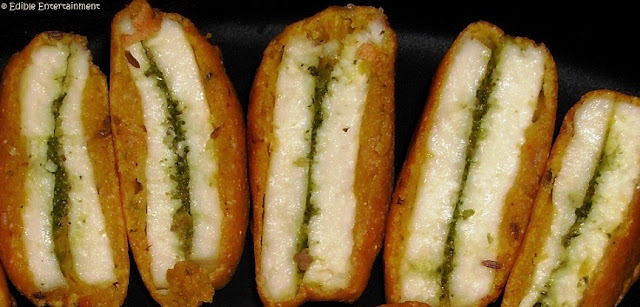
Paneer Pakoda with a twist ~ Click here for the recipe
But enough of benefits! After all, it is oil and the true test lies in its taste, eh? Just to test if it is in fact versatile, I’ve tried a variety of dishes over the past week. Be it Indian curries or Italian Pasta or CAKES, brownies… This Oil works just fine! Here are some of the dishes I tried with the oil that taste exactly as they are supposed to!
1) My Paneer Butter Masala was a big hit! And the rice bran oil, with its high smoking point facilitated beautiful caramelizing of the Onions!
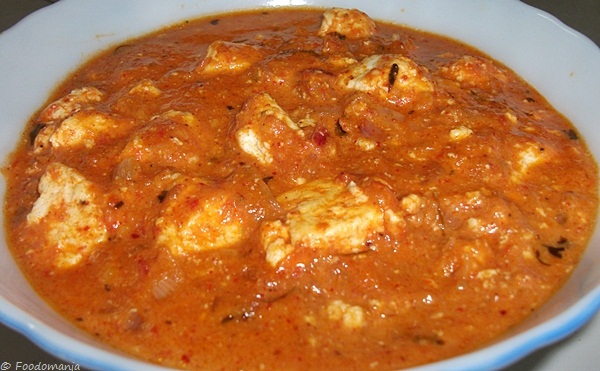
2) My Spaghetti with Roasted Cherry Tomato Marinara didn’t even miss the Olive Oil!

3) The oil also adhered well to my Double Chocolate Brownies and presented me with a super moist baked goodie!

4) Stir fried Potatoes was once again, super delicious! It took me less oil than usual to get the texture that I love. And the dish wasn’t too oily either!

5) Just for fun, I decided to skip baking and make a Steamed Chocolate Cake instead. Guess what? It turned out bloody brilliant too!

So I guess what I’m trying to say is – go check out the Oil and get it for your own good! 
‘I am reviewing rice bran oil as a part of the BlogAdda’s Product Review Program for Indian Bloggers
Fortune Rice Bran Oil Review
Fortune Rice bran oil comes with a number of specific health benefits:
- Heart-friendly – lowers cholesterol by reducing blood triglycerides (fat molecules) in the blood.
- The high Oryzanol content improves HDL/LDL ratio resulting in a healthier heart
- Balanced PUFA/MUFA ratio means cleaner blood vessels
- Balanced fatty acids, so balanced nutrition and balanced health
- Tocotrienols and phytosterols in Fortune Rice Bran Oil help prevent cancer
- The Squalene acts as a moisturizer and improves skin tone and delays wrinkle formation while slowing down aging
- Vitamin-E helps keep the nervous system healthy
- Maximum amount of natural antioxidants compared to other cooking oils to protect against diseases – healthy immune system
- Ferulic Acid stimulates hormonal secretion and rejuvenates health
- Low oil absorption means healthier food
I used Fortune Rice Bran Oil for the following:
- Cooking, frying, stir-frying, salad oil, baking, seasoning
- Lighting the lamp
- Massaging my skin
- For my hair (yes!)
Rice bran oil is my go-to oil for all my oil-related uses. What I’ve found:
- The oil is practically tasteless, and I’ve found it a perfect substitute for ghee (clarified butter) while using it to make sweets and cakes
- The oil is lighter than the other oils we use – sesame oil and sunflower oil. So I use less oil while cooking. While deep-frying the food absorbs less oil
- While frying, thanks to its high smoke point, it does not scorch what I am frying and best of all, barely leaves any residue. I can use the left over oil in cooking
- The shelf life is longer. The oil does not acquire an “old” smell
- Those who are allergic to nuts, dairy and other common food stuff can use rice bran oil as it has zero allergens – only rice bran
- I enjoy using this oil
As a user of rice bran oil since 2004, I recommend Fortune Rice Bran Oil highly. But as my grandmother always advised, I also use small quantities of sesame oil, coconut oil and sunflower oil. Variety is the spice of life.
So now let me show you photos of some of the dishes I cooked over the past one week, using Fortune Rice Bran Oil.
I make Idlis thrice a week – it is healthy, steamed food. So where does the oil come in, you ask? See the photo on the right. I make the chutney powder, especially for this, mix with oil and pat the idli to coat it. We love it like this. Makes a great packed lunch or snack at home.

On the left are plain idlis. On the right are idlis coated with chutney powder
The next regular in my house is rotis and parathas. I make plain parathas with a veg side dish…

Plain parathas with onion-cabbage stir fry and apples
This is ivy gourd – we call it kundru – most mornings I make a packed lunch of veg, roti and apple for dessert

Lunch – Plain parathas, ivy gourd curry and apple
Sometimes I make stuffed parathas – I grate radish, onion, carrots and knead this into the multi-grain flour and roll them out – see the pic below. On the left are the rolled out dough balls ready to be cooked on the griddle; what you see on the right of the apple is the cooked parathas.

Paratha stuffed with radish and onion and apple for dessert
On holidays we usually have vegetable pulao with a salad, papad (crisps), yogurt and pickle.

Top left is the cooked rice. On the right are the ingredients, ready to be pressure-cooked. The pic below the cooker is lunch – veg pulao, tomato salad and papad
On week days, I sometimes make plain rice, sambar or a veg gravy without lentils called vatha kuzhambu and a dry veg fry. Here is the eggplant gravy and raw banana fry I made, as an accompaniment to plain rice, dal (lentils), yogurt, crisps and pickle.

On top, eggplant cut and soaked in water, turmeric and salt. On the right, raw banana diced and soaked in water, a spoon of oil, turmeric and salt. Under it is the prepared “vatha kuzhambu” on the left and raw banana dry fry on the right.
Then yesterday, being Saturday, we decided to have puris.
I hadn’t made them in a while, because of the ‘flu going around at home. It is something all of us love. I made apple gourd (Indian baby pumpkin) with onions as a side dish along with a mixed sprouts salad.

Deep fried puris on top and tinda subzi and salad below
For dinner, we had Tamarind rice – this is a big favorite in most homes. Our house is no exception. I am in love with it. It is fragrant, tasty and easy to make. I usually make the tamarind mix from scratch and store it – so that we can quickly cook plain rice and mix and voila! It is ready to eat.

Tamarind rice
I apologize for not clicking photos of the bhajjis I made. We had visitors and were having too much fun, laughing and talking and finishing off the bhajjisas they were fried and placed on the plate. I swear I meant to click photos – I only remembered after the last one was eaten – I made over 30. To see how it is made, see Naga’s blog one of my favorite food blogs.
I am also sorry I didn’t click photos of the cake I made with this oil. It tasted very good. I have witnesses.
And remember:
“Those who have no time for healthy eating will sooner or later have to find time for illness.”– Edward Stanley
| Q |
Is Rice Bran Oil Healthy?
What do you think about rice bran oil? It was recommended to me by a nutritionist for its health benefits and its high smoke temperature, but I never see it mentioned except on the Web sites that sell it.
 |
| A |
Answer (Published 9/30/2008)
|
Rice bran oil is extracted from the germ and inner husk of rice. It has a mild taste and is popular in Asian cuisine because of its suitability for high-temperature cooking methods such as deep-frying and stir-frying. It is said to be the secret of good tempura.
Related Weil Products
Dr. Weil's Vitamin Advisor for Your Whole Body - Foods, herbs and drugs can all interact, sometimes in unexpected ways. Dr. Weil's Vitamin Advisor takes known interactions into account when developing nutritional supplement recommendations, to help safeguard against adverse effects. Learn more, and get your free, personalized Dr. Weil's Vitamin Advisor recommendation today.
Rice bran oil is mostly monounsaturated - a tablespoon contains 7 grams of monounsaturated fat, three of saturated fat and five of polyunsaturated fat. In comparison, a tablespoon of extra virgin olive oil contains 11 grams of monounsaturated fat, two grams of saturated fat and one gram of polyunsaturated fat. Rice bran oil also contains components of vitamin E that may benefit health.
A study from the University of Rochester in New York showed that isolated vitamin fractions in rice bran oil may be useful for cholesterol control, although most of the evidence for this comes from studies in lab animals. In one of these studies, total cholesterol dropped by 42 percent in lab rats fed a concentrated fraction of vitamin E called tocotrienol rich fraction (TRF) extracted from rice bran oil. The animals' LDL ("bad") cholesterol levels dropped as much as 62 percent after their diets were supplemented with TRF. The study was published in the May, 2005, issue of Food and Chemical Toxicology.
Earlier studies by the same research team showed that TRF boosts the activity of liver enzymes that clear toxic substances from the liver and reduces or stabilizes liver tumors. The group concluded that long-term use of tocotrienol might reduce overall cancer risk.
This research might support supplementing with tocotrienols, but I haven't seen much research on rice bran oil's contribution to human health. For household use, it doesn't measure up to olive oil in terms of monounsaturated fat. Its higher smoke point would make it more suitable for high temperature cooking, which I recommend you keep to a minimum in any case.
Andrew Weil, M.D.
| |
Rice bran oil
From Wikipedia, the free encyclopedia
| Rice Bran Oil | |
Fat composition
| |
|---|---|
| Saturated fats | 25% Myristic: 0.6% Palmitic: 21.5% Stearic: 2.9% |
| Unsaturated fats | 75% |
| Monounsaturated fats | 38% |
| Oleic acid | 38% |
| Polyunsaturated fats | 37% |
| Omega-3 fatty acids | α-Linolenic: 2.2% |
| Omega-6 fatty acids | Linoleic: 34.4% |
Properties
| |
| Food energy per 100 g | 3,700 kJ (880 kcal) |
| Smoke point | 213 °C (415 °F) |
| Iodine value | 99-108 |
| Acid value | 1.2 |
| Saponification value | 180-190 |
| Unsaponifiable | 3-5 |
Rice bran oil (also known as rice bran extract) is the oil extracted from the germ and inner husk of rice. It is notable for its highsmoke point of 213 °C (415 °F) and its mild flavor, making it suitable for high-temperature cooking methods such as stir frying anddeep frying. It is popular as a cooking oil in several Asian countries, including Japan and China.[1]

[edit]Rice bran wax, obtained from rice bran oil, is used as a substitute for carnauba wax in cosmetics, confectionery, shoe creams and polishing compounds. it is an edible oil which is used in the preparation of vegetable gheeUses
[edit]Composition
Rice bran oil has a composition similar to that of peanut oil, with 38% monounsaturated, 37% polyunsaturated, and 25% saturatedfatty acids. The fatty acid composition is:[1]
| Fatty acid | Percentage |
|---|---|
| C14:0 Myristic acid | 0.6% |
| C16:0 Palmitic acid | 21.5% |
| C18:0 Stearic acid | 2.9% |
| C18:1 Oleic acid | 38.4% |
| C18:2 Linoleic acid | 34.4% |
| C18:3 α-Linolenic acid | 2.2% |
[edit]Health benefits
A medically significant component of rice bran oil is the antioxidant γ-oryzanol, at around 2% of crude oil content. Thought to be a single compound when initially isolated, it is now known to be a mixture of steryl and other triterpenyl esters of ferulic acids.[1] Also significant is the relatively high fractions of tocopherols and tocotrienols, taken together as vitamin E. Rice bran oil is also rich in other phytosterolswhich may provide health benefits.
[edit]Cholesterol
Literature review shows rice bran oil and its active constituents improve blood cholesterol by reducing total plasma cholesterol and triglycerides, and increasing the proportion of HDL cholesterol.[2] Results of an animal study[3] indicated a 42% decrease in total cholesterol with a 62% drop in LDL cholesterol, when researchers supplemented test subjects' diets with fractionated vitamin E obtained from rice bran oil.
[edit]Menopause
The rice bran oil component γ-oryzanol was shown in Japan to be effective in relieving hot flashes and other symptoms of menopause. Researchers found 90% of the women found some form of relief from hot flashes after taking a rice bran oil supplement for four to six weeks.[4]
[edit]Antioxidant stability
Studies have shown the antioxidant stability in rice bran oil remains almost constant even when heated at frying temperatures. The study of thermal degradation and antioxidant stability in the oil is carried out by heating the oil to the frying temperature up to 250°C for 0.5, 1, 1.5, 2hrs. The density of rice bran oil is found to be constant throughout the time of heating indicates no molecular changes occurred due to antioxidant activity in the oil. The oxidative stability of rice bran oil was equivalent to or better than soybean, corn, canola, cottonseed, and safflower oil in a model system that simulated deep frying conditions.[5])
[edit]Other benefits
Other potential properties of rice bran oil include modulation of pituitary secretion, inhibition of gastric acid secretion, antioxidant action, inhibition of platelet aggregation,[2] lowering of blood pressure and regulation of cholesterol
Wednesday, April 10, 2013
The George Mateljan Foundation, a not-for-profit foundation with no commercial interests or advertising, is a new force for change to help make a healthier you and a healthier world.


Cashews The delicately flavored cashew nut is a favorite between meal snack that can be readily found in your local market year round. It also makes wonderful nut butter and a special addition to salads and stir-fry dishes.
Cashew nuts are actually the kidney-shaped seeds that adhere to the bottom of the cashew apple, the fruit of the cashew tree, which is native to the coastal areas of northeastern Brazil. While cashew apples are not appreciated in the United States, they are regarded as delicacies in Brazil and the Caribbean. Cashews are always sold shelled because the interior of the shells contains a caustic resin, known as cashew balm, which must be carefully removed before the nuts are fit for consumption. This caustic resin is actually used in industry to make varnishes and insecticides.
This chart graphically details the %DV that a serving of Cashews provides for each of the nutrients of which it is a good, very good, or excellent source according to our Food Rating System. Additional information about the amount of these nutrients provided by Cashews can be found in the Food Rating System Chart. A link that takes you to the In-Depth Nutritional Profile for Cashews, featuring information over 80 nutrients, can be found under the Food Rating System Chart.
br<
Nuts' high antioxidant content helps explain results seen in the Iowa Women's Health Study in which risk of death from cardiovascular and coronary heart diseases showed strong and consistent reductions with increasing nut/peanut butter consumption. Total death rates decreased 11% and 19% for nut/peanut butter intake once per week and 1-4 times per week, respectively.
Even more impressive were the results of a review study of the evidence linking nuts and lower risk of coronary heart disease, also published in the British Journal of Nutrition. (Kelly JH, Sabate J.) In this study, researchers looked at four large prospective epidemiological studies—the Adventist Health Study, Iowa Women's Study, Nurses' Health Study and the Physician's Health Study. When evidence from all four studies was combined, subjects consuming nuts at least 4 times a week showed a 37% reduced risk of coronary heart disease compared to those who never or seldom ate nuts. Each additional serving of nuts per week was associated with an average 8.3% reduced risk of coronary heart disease.
Practical Tip: To lower your risk of cardiovascular and coronary heart disease, enjoy a handful of cashews or other nuts, or a tablespoon of nut butter, at least 4 times a week.
Numerous health problems can develop when copper intake is inadequate, including iron deficiency anemia, ruptured blood vessels, osteoporosis, joint problems such as rheumatoid arthritis, brain disturbances, elevated LDL (bad) cholesterol and reduced HDL (good) cholesterol levels, irregular heartbeat, and increased susceptibility to infections. Topping your morning cereal with a quarter-cup of cashews will supply you with 38.0% of the daily value for copper.
Magnesium, by balancing calcium, helps regulate nerve and muscle tone. In many nerve cells, magnesium serves as Nature's own calcium channel blocker, preventing calcium from rushing into the nerve cell and activating the nerve. By blocking calcium's entry, magnesium keeps our nerves (and the blood vessels and muscles they ennervate) relaxed. If our diet provides us with too little magnesium, however, calcium can gain free entry, and the nerve cell can become overactivated, sending too many messages and causing excessive contraction.
Insufficient magnesium can thus contribute to high blood pressure, muscle spasms (including spasms of the heart muscle or the spasms of the airways symptomatic of asthma), and migraine headaches, as well as muscle cramps, tension, soreness and fatigue. Given these effects, it is not surprising that studies have shown magnesium helps reduce the frequency of migraine attacks, lowers blood pressure, helps prevent heart attacks, promotes normal sleep patterns in women suffering from menopausal sleep disturbances, and reduces the severity of asthma. Just a quarter-cup of cashews provides 25% of the daily value for magnesium.
The 28-month study involving 8,865 adult men and women in Spain, found that participants who ate nuts at least two times per week were 31% less likely to gain weight than were participants who never or almost never ate nuts.
And, among the study participants who gained weight, those who never or almost never ate nuts gained more (an average of 424 g more) than those who ate nuts at least twice weekly.
Study authors concluded, "Frequent nut consumption was associated with a reduced risk of weight gain (5 kg or more). These results support the recommendation of nut consumption as an important component of a cardioprotective diet and also allay fears of possible weight gain."
Practical Tip: Don't let concerns about gaining weight prevent you from enjoying the delicious taste and many health benefits of nuts!
Cashew nuts are actually seeds that adhere to the bottom of the cashew apple, the fruit of the cashew tree, which is native to the coastal areas of northeastern Brazil. Cashew apples, while not known in the U.S., are regarded as delicacies in Brazil and the Carribean. The seed we know as the kidney-shaped cashew "nut" is delicate in flavor and firm, but slightly spongy, in texture.
You have probably noticed that cashews in the shell are not available in stores. This is because these nuts are always sold pre-shelled since the interior of their shells contains a caustic resin, known as cashew balm, which must be carefully removed before they are fit for consumption. This caustic resin is actually used in industry to make varnishes and insecticides.
Cashews, known scientifically as Anacardium occidentale, belong to the same family as the mango and pistachio nut.
The cashew tree is native to coastal areas of Brazil. In the 16th century, Portuguese explorers took cashew trees from this South American country and introduced them into other tropical regions such as India and some African countries, where they are now also cultivated. The cashew tree has always been a prized resource owing to its precious wood, cashew balm and cashew apple, but the cashew nut itself did not gain popularity until the beginning of the 20th century. Today, the leading commercial producers of cashews are India, Brazil, Mozambique, Tanzania and Nigeria.
Cashews are generally available in prepackaged containers as well as bulk bins. Just as with any other food that you may purchase in the bulk section, make sure that the bins containing the cashews are covered and that the store has a good product turnover so as to ensure its maximal freshness. Whether purchasing cashews in bulk or in a packaged container, make sure that there is no evidence of moisture or insect damage and that they are not shriveled. If it is possible to smell the cashews, do so in order to ensure that they are not rancid.
Due to their high content of oleic acid, cashews are more stable than most other nuts but should still be stored in a tightly sealed container in the refrigerator, where they will keep for about six months, or in the freezer, where they will keep for about one year. Cashew butter should always be refrigerated once it is opened.
In the United States, beginning in 2004 with the passage of the Food Allergen Labeling and Consumer Protection Act (FALCPA), food labels have been required to identify the presence of any major food allergens. Since 90% of food allergies in the U.S. have been associated with 8 food types as reported by the U.S. Centers for Disease Control, it is these 8 food types that are considered to be major food allergens in the U.S. and require identification on food labels. The 8 food types classified as major allergens are as follows: (1) wheat, (2) cow's milk, (3) hen's eggs, (4) fish, (5) crustacean shellfish (including shrimp, prawns, lobster and crab); (6) tree nuts (including cashews, almonds, walnuts, pecans, pistachios, Brazil nuts, hazelnuts and chestnuts); (7) peanuts; and (8) soy foods. In the case of cashews, there is also some evidence showing cross-reactivity with peanuts, walnuts, and sesame seeds, such that persons suspecting food allergy to cashews may also want to determine the dietary safety and appropriateness of these other foods.
These foods do not need to be eaten in their pure, isolated form in order to trigger an adverse reaction. For example, yogurt made from cow's milk is also a common allergenic food, even though the cow's milk has been processed and fermented in order to make the yogurt. Ice cream made from cow's milk would be an equally good example.
Food allergy symptoms may sometimes be immediate and specific, and can include skin rash, hives, itching, and eczema; swelling of the lips, tongue, or throat; tingling in the mouth; wheezing or nasal congestion; trouble breathing; and dizziness or lightheadedness. But food allergy symptoms may also be much more general and delayed, and can include fatigue, depression, chronic headache, chronic bowel problems (such as diarrhea or constipation), and insomnia. Because most food allergy symptoms can be caused by a variety of other health problems, it is good practice to seek the help of a healthcare provider when evaluating the role of food allergies in your health.
Cashews are a very good source of monounsaturated fats and copper, and a good source of magnesium, manganese, and phosphorus.
For an in-depth nutritional profile click here: Cashews.
In-Depth Nutritional Profile for Cashews
The delicately flavored cashew nut is a favorite between meal snack that can be readily found in your local market year round. It also makes wonderful nut butter and a special addition to salads and stir-fry dishes.Cashew nuts are actually the kidney-shaped seeds that adhere to the bottom of the cashew apple, the fruit of the cashew tree, which is native to the coastal areas of northeastern Brazil. While cashew apples are not appreciated in the United States, they are regarded as delicacies in Brazil and the Caribbean. Cashews are always sold shelled because the interior of the shells contains a caustic resin, known as cashew balm, which must be carefully removed before the nuts are fit for consumption. This caustic resin is actually used in industry to make varnishes and insecticides.
Nutrients in
Cashews
0.25 cup (34.26 grams)
Cashews
0.25 cup (34.26 grams)
Nutrient%Daily Value
copper37.5%
manganese28.4%
tryptophan28.1%
magnesium25%
phosphorus20.3%
Calories (189)10%
This chart graphically details the %DV that a serving of Cashews provides for each of the nutrients of which it is a good, very good, or excellent source according to our Food Rating System. Additional information about the amount of these nutrients provided by Cashews can be found in the Food Rating System Chart. A link that takes you to the In-Depth Nutritional Profile for Cashews, featuring information over 80 nutrients, can be found under the Food Rating System Chart.
- Health Benefits
- Description
- History
- How to Select and Store
- How to Enjoy
- Individual Concerns
- Nutritional Profile
- References
Heart-Protective Monounsaturated Fats
Not only do cashews have a lower fat content than most other nuts, approximately 75% of their fat is unsaturated fatty acids, plus about 75% of this unsaturated fatty acid content is oleic acid, the same heart-healthy monounsaturated fat found in olive oil. Studies show that oleic acid promotes good cardiovascular health, even in individuals with diabetes. Studies of diabetic patients show that monounsaturated fat, when added to a low-fat diet, can help to reduce high triglyceride levels. Triglycerides are a form in which fats are carried in the blood, and high triglyceride levels are associated with an increased risk for heart disease, so ensuring you have some monounsaturated fats in your diet by enjoying cashews is a good idea, especially for persons with diabetes.br<
Crazy about Your Heart? Go Nuts
Research published in the British Journal of Nutrition (Blomhoff R, Carlsen MH), which identified several nuts among plant foods with the highest total antioxidant content, suggests nut's high antioxidant content may be key to their cardio-protective benefits.Nuts' high antioxidant content helps explain results seen in the Iowa Women's Health Study in which risk of death from cardiovascular and coronary heart diseases showed strong and consistent reductions with increasing nut/peanut butter consumption. Total death rates decreased 11% and 19% for nut/peanut butter intake once per week and 1-4 times per week, respectively.
Even more impressive were the results of a review study of the evidence linking nuts and lower risk of coronary heart disease, also published in the British Journal of Nutrition. (Kelly JH, Sabate J.) In this study, researchers looked at four large prospective epidemiological studies—the Adventist Health Study, Iowa Women's Study, Nurses' Health Study and the Physician's Health Study. When evidence from all four studies was combined, subjects consuming nuts at least 4 times a week showed a 37% reduced risk of coronary heart disease compared to those who never or seldom ate nuts. Each additional serving of nuts per week was associated with an average 8.3% reduced risk of coronary heart disease.
Practical Tip: To lower your risk of cardiovascular and coronary heart disease, enjoy a handful of cashews or other nuts, or a tablespoon of nut butter, at least 4 times a week.
Copper for Antioxidant Defenses, Energy Production, Bones and Blood Vessels
An essential component of many enzymes, copper plays a role in a wide range of physiological processes including iron utilization, elimination of free radicals, development of bone and connective tissue, and the production of the skin and hair pigment called melanin. For example, copper is an essential component of the enzyme, superoxide dismutase, which is important in energy production and antioxidant defenses. Copper is also necessary for the activity of lysyl oxidase, an enzyme involved in cross-linking collagen and elastin, both of which provide the ground substance and flexibility in blood vessels, bones and joints. Low dietary intake of copper may also be associated with increased fecal free radical production and fecal water alkaline phosphatase activity, risk factors for colon cancer.Numerous health problems can develop when copper intake is inadequate, including iron deficiency anemia, ruptured blood vessels, osteoporosis, joint problems such as rheumatoid arthritis, brain disturbances, elevated LDL (bad) cholesterol and reduced HDL (good) cholesterol levels, irregular heartbeat, and increased susceptibility to infections. Topping your morning cereal with a quarter-cup of cashews will supply you with 38.0% of the daily value for copper.
Bone Up and Relax with Cashews
Everyone knows that calcium is necessary for strong bones, butmagnesium is also vital for healthy bones. About two-thirds of the magnesium in the human body is found in our bones. Some helps give bones their physical structure, while the rest is found on the surface of the bone where it is stored for the body to draw upon as needed.Magnesium, by balancing calcium, helps regulate nerve and muscle tone. In many nerve cells, magnesium serves as Nature's own calcium channel blocker, preventing calcium from rushing into the nerve cell and activating the nerve. By blocking calcium's entry, magnesium keeps our nerves (and the blood vessels and muscles they ennervate) relaxed. If our diet provides us with too little magnesium, however, calcium can gain free entry, and the nerve cell can become overactivated, sending too many messages and causing excessive contraction.
Insufficient magnesium can thus contribute to high blood pressure, muscle spasms (including spasms of the heart muscle or the spasms of the airways symptomatic of asthma), and migraine headaches, as well as muscle cramps, tension, soreness and fatigue. Given these effects, it is not surprising that studies have shown magnesium helps reduce the frequency of migraine attacks, lowers blood pressure, helps prevent heart attacks, promotes normal sleep patterns in women suffering from menopausal sleep disturbances, and reduces the severity of asthma. Just a quarter-cup of cashews provides 25% of the daily value for magnesium.
Help Prevent Gallstones
Twenty years of dietary data collected on 80,000 women from the Nurses' Health Study shows that women who eat least 1 ounce of nuts, peanuts or peanut butter each week have a 25% lower risk of developing gallstones. Since 1 ounce is only 28.6 nuts or about 2 tablespoons of nut butter, preventing gallbladder disease may be as easy as packing one cashew butter and jelly sandwich (be sure to use whole wheat bread for its fiber, vitamins and minerals) for lunch each week, having a handful of cashews as an afternoon pick me up, or tossing some cashews on your oatmeal or salad.
Eating Nuts Lowers Risk of Weight Gain
Although nuts are known to provide a variety of cardio-protective benefits, many avoid them for fear of weight gain. A prospective study published in the journal Obesity shows such fears are groundless. In fact, people who eat nuts at least twice a week are much less likely to gain weight than those who almost never eat nuts.The 28-month study involving 8,865 adult men and women in Spain, found that participants who ate nuts at least two times per week were 31% less likely to gain weight than were participants who never or almost never ate nuts.
And, among the study participants who gained weight, those who never or almost never ate nuts gained more (an average of 424 g more) than those who ate nuts at least twice weekly.
Study authors concluded, "Frequent nut consumption was associated with a reduced risk of weight gain (5 kg or more). These results support the recommendation of nut consumption as an important component of a cardioprotective diet and also allay fears of possible weight gain."
Practical Tip: Don't let concerns about gaining weight prevent you from enjoying the delicious taste and many health benefits of nuts!
- Spread some nut butter on your morning toast or bagel.
- Remember how many great childhood lunches involved a peanut butter and jelly sandwich? Upgrade that lunchbox favorite by spreading organic peanut butter and concord grape jelly on whole wheat bread.
- Fill a celery stick with nut butter for an afternoon pick-me-up.
- Sprinkle a handful of nuts over your morning cereal, lunchtime salad, dinner's steamed vegetables.
- Or just enjoy a handful of lightly roasted nuts as a healthy snack.
You have probably noticed that cashews in the shell are not available in stores. This is because these nuts are always sold pre-shelled since the interior of their shells contains a caustic resin, known as cashew balm, which must be carefully removed before they are fit for consumption. This caustic resin is actually used in industry to make varnishes and insecticides.
Cashews, known scientifically as Anacardium occidentale, belong to the same family as the mango and pistachio nut.
The cashew tree is native to coastal areas of Brazil. In the 16th century, Portuguese explorers took cashew trees from this South American country and introduced them into other tropical regions such as India and some African countries, where they are now also cultivated. The cashew tree has always been a prized resource owing to its precious wood, cashew balm and cashew apple, but the cashew nut itself did not gain popularity until the beginning of the 20th century. Today, the leading commercial producers of cashews are India, Brazil, Mozambique, Tanzania and Nigeria.
Cashews are generally available in prepackaged containers as well as bulk bins. Just as with any other food that you may purchase in the bulk section, make sure that the bins containing the cashews are covered and that the store has a good product turnover so as to ensure its maximal freshness. Whether purchasing cashews in bulk or in a packaged container, make sure that there is no evidence of moisture or insect damage and that they are not shriveled. If it is possible to smell the cashews, do so in order to ensure that they are not rancid.
Due to their high content of oleic acid, cashews are more stable than most other nuts but should still be stored in a tightly sealed container in the refrigerator, where they will keep for about six months, or in the freezer, where they will keep for about one year. Cashew butter should always be refrigerated once it is opened.
A Few Quick Serving Ideas
- Combining cashews with other nuts and dried fruits makes a healthy snack.
- Right before taking off the heat, add cashews to healthy sautéed vegetables.Healthy sauté cashews with shrimp, basil and green beans for a delightful Thai inspired dish.
- Cashews with a little bit of maple syrup make a great topping for hot cereals.
- Add cashew butter to breakfast soy or rice milk shakes to up their protein content (a quarter-cup of cashews provides over 5 grams of protein) and give them a creamy nutty taste.
- In a saucepan over low-medium heat, mix cashew butter with some soy sauce, cayenne pepper, garlic, ginger and water to make a wonderful sauce for fish, vegetables, tofu or rice.
- To roast cashews at home, do so gently—in a 160-170°F (about 75°C) oven for 15-20 minutes—to preserve the healthy oils. For more on the effect of high heat roasting on nuts, please see the following article.
Cashews and Oxalates
Cashews are among a small number of foods that contain measurable amounts of oxalates, naturally-occurring substances found in plants, animals, and human beings. When oxalates become too concentrated in body fluids, they can crystallize and cause health problems. For this reason, individuals with already existing and untreated kidney or gallbladder problems may want to avoid eating cashews. Laboratory studies have shown that oxalates may also interfere with absorption of calcium from the body. Yet, in every peer-reviewed research study we've seen, the ability of oxalates to lower calcium absorption is relatively small and definitely does not outweigh the ability of oxalate-containing foods to contribute calcium to the meal plan. If your digestive tract is healthy, and you do a good job of chewing and relaxing while you enjoy your meals, you will get significant benefits—including absorption of calcium—from calcium-rich foods plant foods that also contain oxalic acid. Ordinarily, a healthcare practitioner would not discourage a person focused on ensuring that they are meeting their calcium requirements from eating these nutrient-rich foods because of their oxalate content. For more on this subject, please see "Can you tell me what oxalates are and in which foods they can be found?"Allergic Reactions to Tree Nuts (Such as Cashews)
Although allergic reactions can occur to virtually any food, research studies on food allergy consistently report more problems with some foods than with others. It's important to realize that the frequency of problems varies from country to country and can change significantly along with changes in the food supply or with other manufacturing practices. For example, in several part of the world, including Canada, Japan, and Israel, sesame seed allergy has risen to a level of major concern over the past 10 years.In the United States, beginning in 2004 with the passage of the Food Allergen Labeling and Consumer Protection Act (FALCPA), food labels have been required to identify the presence of any major food allergens. Since 90% of food allergies in the U.S. have been associated with 8 food types as reported by the U.S. Centers for Disease Control, it is these 8 food types that are considered to be major food allergens in the U.S. and require identification on food labels. The 8 food types classified as major allergens are as follows: (1) wheat, (2) cow's milk, (3) hen's eggs, (4) fish, (5) crustacean shellfish (including shrimp, prawns, lobster and crab); (6) tree nuts (including cashews, almonds, walnuts, pecans, pistachios, Brazil nuts, hazelnuts and chestnuts); (7) peanuts; and (8) soy foods. In the case of cashews, there is also some evidence showing cross-reactivity with peanuts, walnuts, and sesame seeds, such that persons suspecting food allergy to cashews may also want to determine the dietary safety and appropriateness of these other foods.
These foods do not need to be eaten in their pure, isolated form in order to trigger an adverse reaction. For example, yogurt made from cow's milk is also a common allergenic food, even though the cow's milk has been processed and fermented in order to make the yogurt. Ice cream made from cow's milk would be an equally good example.
Food allergy symptoms may sometimes be immediate and specific, and can include skin rash, hives, itching, and eczema; swelling of the lips, tongue, or throat; tingling in the mouth; wheezing or nasal congestion; trouble breathing; and dizziness or lightheadedness. But food allergy symptoms may also be much more general and delayed, and can include fatigue, depression, chronic headache, chronic bowel problems (such as diarrhea or constipation), and insomnia. Because most food allergy symptoms can be caused by a variety of other health problems, it is good practice to seek the help of a healthcare provider when evaluating the role of food allergies in your health.
Cashews are a very good source of monounsaturated fats and copper, and a good source of magnesium, manganese, and phosphorus.
For an in-depth nutritional profile click here: Cashews.
In-Depth Nutritional Profile
In addition to the nutrients highlighted in our ratings chart, an in-depth nutritional profile for Cashews is also available. This profile includes information on a full array of nutrients, including carbohydrates, sugar, soluble and insoluble fiber, sodium, vitamins, minerals, fatty acids, amino acids and more.
Introduction to Food Rating System Chart
In order to better help you identify foods that feature a high concentration of nutrients for the calories they contain, we created a Food Rating System. This system allows us to highlight the foods that are especially rich in particular nutrients. The following chart shows the nutrients for which this food is either an excellent, very good, or good source (below the chart you will find a table that explains these qualifications). If a nutrient is not listed in the chart, it does not necessarily mean that the food doesn't contain it. It simply means that the nutrient is not provided in a sufficient amount or concentration to meet our rating criteria. (To view this food's in-depth nutritional profile that includes values for dozens of nutrients - not just the ones rated as excellent, very good, or good - please use the link below the chart.) To read this chart accurately, you'll need to glance up in the top left corner where you will find the name of the food and the serving size we used to calculate the food's nutrient composition. This serving size will tell you how much of the food you need to eat to obtain the amount of nutrients found in the chart. Now, returning to the chart itself, you can look next to the nutrient name in order to find the nutrient amount it offers, the percent Daily Value (DV%) that this amount represents, the nutrient density that we calculated for this food and nutrient, and the rating we established in our rating system. For most of our nutrient ratings, we adopted the government standards for food labeling that are found in the U.S. Food and Drug Administration's "Reference Values for Nutrition Labeling." Read more background information and details of our rating system.| Cashews 0.25 cup 34.26 grams 189.46 calories | ||||
| Nutrient | Amount | DV (%) | Nutrient Density | World's Healthiest Foods Rating |
|---|---|---|---|---|
| copper | 0.75 mg | 37.5 | 3.6 | very good |
| manganese | 0.57 mg | 28.5 | 2.7 | good |
| tryptophan | 0.09 g | 28.1 | 2.7 | good |
| magnesium | 100.04 mg | 25.0 | 2.4 | good |
| phosphorus | 203.16 mg | 20.3 | 1.9 | good |
| World's Healthiest Foods Rating | Rule |
|---|---|
| excellent | DV>=75% OR Density>=7.6 AND DV>=10% |
| very good | DV>=50% OR Density>=3.4 AND DV>=5% |
| good | DV>=25% OR Density>=1.5 AND DV>=2.5% |
- Bes-Rastrollo M, Sabate J, Gomez-Gracia E, Alonso A, Martinez JA, Martinez-Gonzalez MA. Nut consumption and weight gain in a Mediterranean cohort: The SUN study. Obesity (Silver Spring). 2007 Jan;15(1):107-16. 2007. PMID:17228038.
- Blomhoff R, Carlsen MH, Andersen LF, Jacobs DR Jr. Health benefits of nuts: potential role of antioxidants. Br J Nutr. 2006 Nov;96 Suppl 2:S52-60. 2006. PMID:17125534.
- Davis CD. Low dietary copper increases fecal free radical production, fecal water alkaline phosphatase activity and cytotoxicity in healthy men. J Nutr. 2003 Feb; 133(2):522-7. 2003.
- Ensminger AH, Ensminger, ME, Kondale JE, Robson JRK. Foods & Nutriton Encyclopedia. Pegus Press, Clovis, California. 1983.
- Ensminger AH, Esminger M. K. J. e. al. Food for Health: A Nutrition Encyclopedia. Clovis, California: Pegus Press; 1986. 1986. PMID:15210.
- Fortin, Francois, Editorial Director. The Visual Foods Encyclopedia. Macmillan, New York. 1996.
- Hu FB, Stampfer MJ. Nut consumption and risk of coronary heart disease: a review of epidemiologic evidence. Curr Atheroscler Rep 1999 Nov;1(3):204-9. 1999.
- Kelly JH Jr, Sabate J. Nuts and coronary heart disease: an epidemiological perspective. Br J Nutr. 2006 Nov;96 Suppl 2:S61-7. 2006. PMID:17125535.
- Resnicow K, Barone J, Engle A, et al. Diet and serum lipids in vegan vegetarians: a model for risk reduction. J Am Diet Assoc 1991 Apr;91(4):447-53. 1991. PMID:16190.
- Tsai CJ, Leitzmann MF, Hu FB, Willett WC, Giovannucci EL. Frequent nut consumption and decreased risk of cholecystectomy in women. Am J Clin Nutr. 2004 Jul;80(1):76-81. 2004. PMID:15213031.
- Wood, Rebecca. The Whole Foods Encyclopedia. New York, NY: Prentice-Hall Press; 1988. 1988. PMID:15220.
Subscribe to:
Posts (Atom)